Student Creator
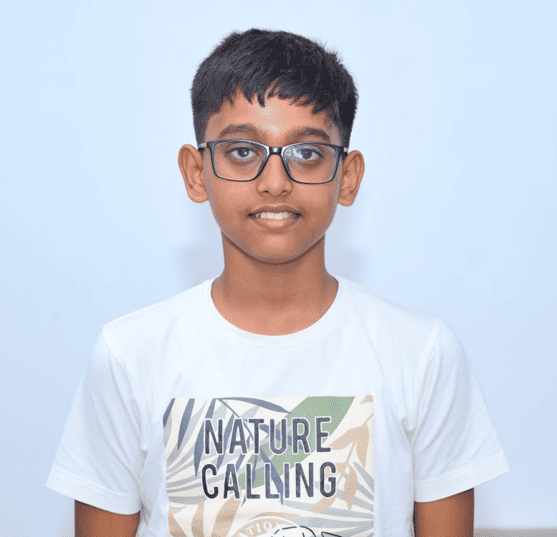
Reyansh Kumar
HydroGuard AI · Grade 7 · Lucknow
An intelligent lifeguard assistant concept that monitors swimmers, detects distress patterns, and alerts human lifeguards for faster response.
One lifeguard cannot continuously track every swimmer in a busy water area.
A delay between distress and recognition can reduce the chance of a successful rescue.
Crowds, low light, and multiple swimmers make visual monitoring difficult.
HydroGuard uses camera feeds, pose estimation, and motion analysis to look for distress or unusual stillness. It then sends an alert with a severity level so a lifeguard can assess and respond.
Monitor a pool or water zone through a live camera feed.
Track body position and motion patterns with computer vision.
Notify lifeguards and record the incident for follow-up.
Follow several swimmers within a monitored zone.
Use keypoints and body position to identify possible distress.
Associate an alert with the relevant area of the pool.
Send urgent information to lifeguards through connected devices.
HydroGuard is designed to assist trained lifeguards. Camera-based detection can produce errors and must never be treated as a substitute for active supervision.
The deck proposes multiple cameras, low-light improvements, predictive analytics, drones, and eventual beach or open-water deployment.