Student Team

Vvyom Srivastav
OrganMatch AI Team
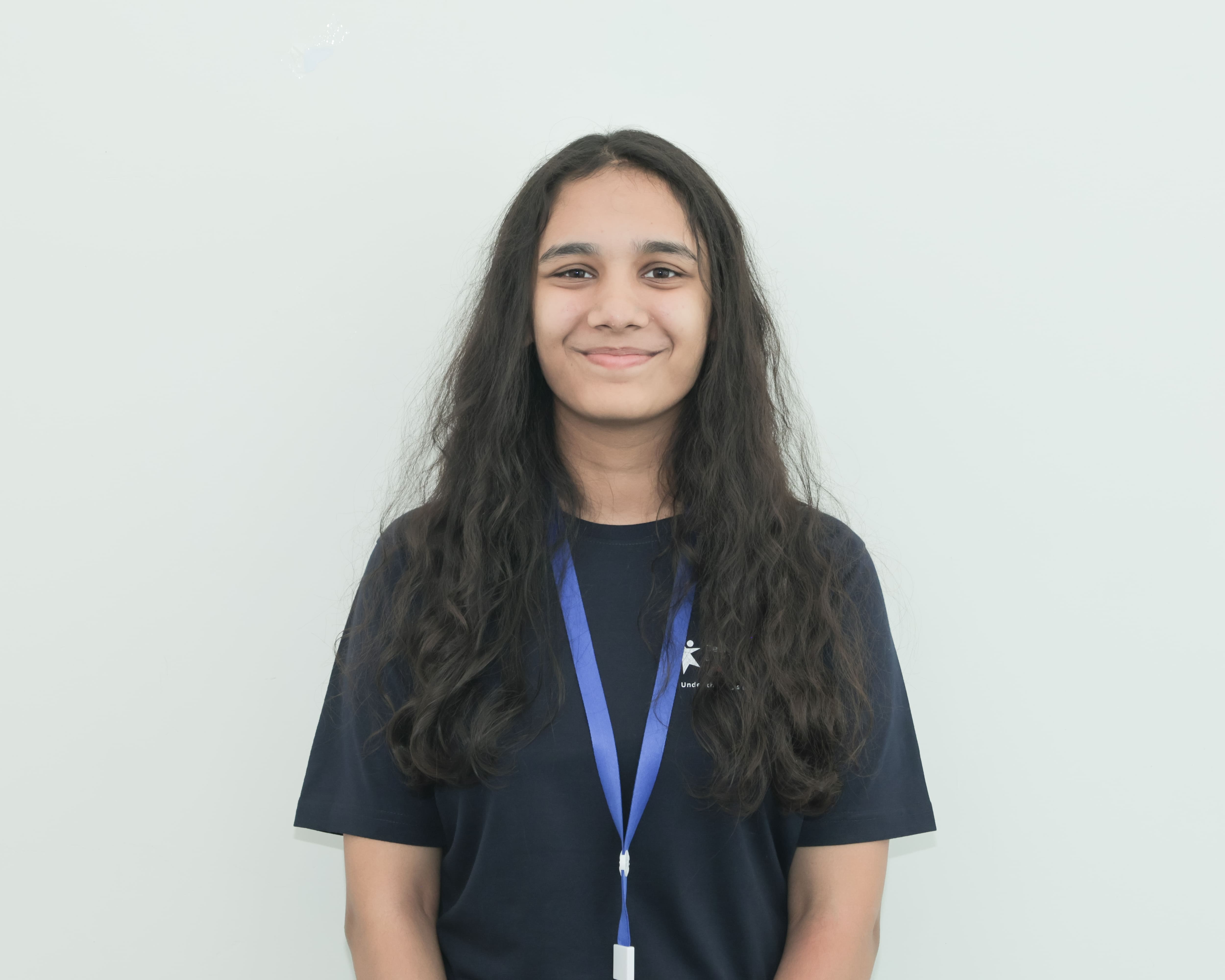
Ishaanvi Kanodia
OrganMatch AI Team
An AI-powered platform that acts as a central hub, securely connecting organ donors with patients who need transplants. It analyzes biological, medical, and logistics data in real time to reduce wait times and ensure no compatible match is missed due to manual coordination gaps.
Patients often wait too long for compatible organs because coordination between donors, patients, and hospitals is slow.
Organ matching depends on biological, medical, urgency, location, and logistics factors that are difficult to compare manually.
Hospitals and practitioners need structured donor and patient data in one trusted place to make faster decisions.
OrganMatch AI checks organ requirements, blood group, HLA typing, medical history, urgency, location, and clinical constraints to identify likely compatible donor-patient pairs for expert review.
Cross-checks donor and patient blood groups as a core compatibility requirement.
Uses HLA typing and tissue compatibility data to identify safer donor-patient pairs.
Considers nearby hospitals, geographic location, and practitioner availability.
Prioritizes patients in urgent need using medical urgency scores and waiting-list context.
Individuals on transplant waiting lists who need a compatible organ quickly because time is critical.
People with eligible organs who need a secure, structured way to connect with the right clinical team.
Medical teams that need clear compatibility, availability, and logistics information before taking action.
The user selects whether they are a donor or patient, then enters organ and medical specifics.
The system cross-checks blood group, HLA typing, location, urgency, and medical history.
The AI identifies a high-probability compatible match and presents the required details.
A certified transplant coordinator or physician validates the recommendation before any clinical action.
OrganMatch AI can reduce coordination delays by organizing donor, patient, hospital, and compatibility data in one searchable workflow.
The AI must never replace clinical judgment. Incorrect matches can be life-threatening, so every output requires expert medical validation.