
Our research covers a diverse range of topics in optical imaging and spectroscopy. We develop and use a
variety
of experimental, computational and theoretical tools in our research.
Spectroscopy of few-photon emitters
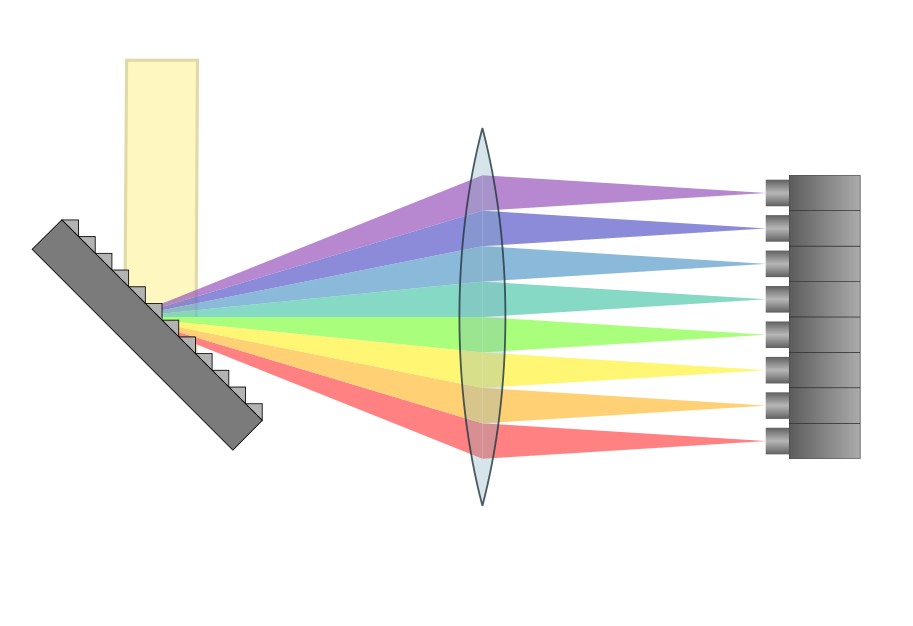
Temporal correlations among photons emitted by nanoscale light-emitters, such as quantum dots, can provide
significant information about the photophysics of emitters and how they interact with their environment. Our
experiments
explore spectrally resolved photon correlations at short timescales (microsecond) to study these
emitters. For an overview of the field, see this
perspective
Nanoparticle imaging
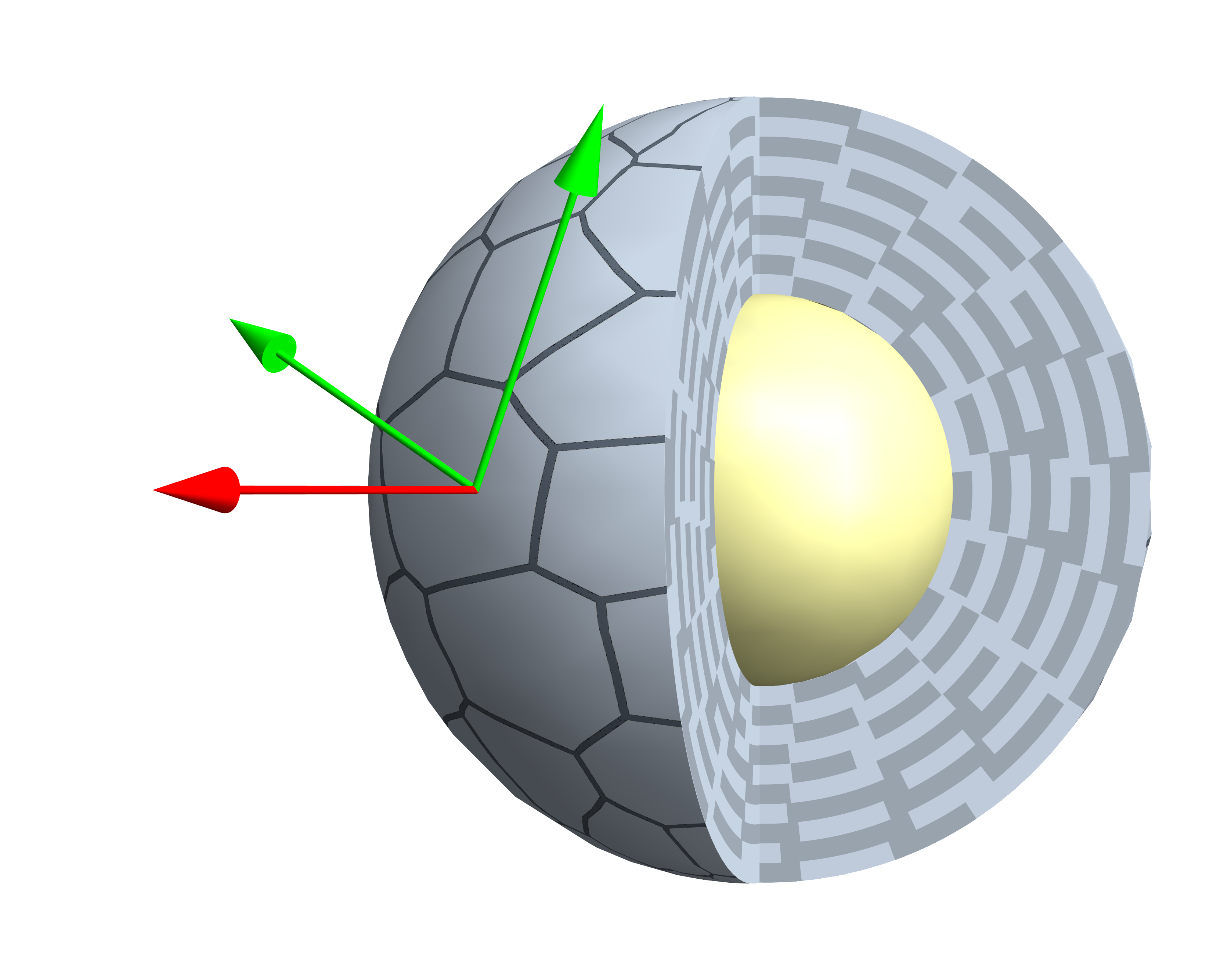
Living organisms have evolved a wide variety of structures that scatter light. Recent investigations revealed
that biogenic scatterers can be quite complex, and involve materials with unique optical properties. We aim to
develop robust routes to image and characterize small complex scatterers directly.
We are particularly interested in exploring interferometric reflectance measurements as a quantitative
nanoparticle characterization tool.
Nanophotonic design

Biological photonic structures employ materials and hierarchical design that are different from those used in
conventional artifical photonic structures. We use computational and experimental tools to explore newer
designs of photonic structures that exhibit novel properties. We are particularly interested in the interplay
of order and disorder in these structures.
Quantum microscopy
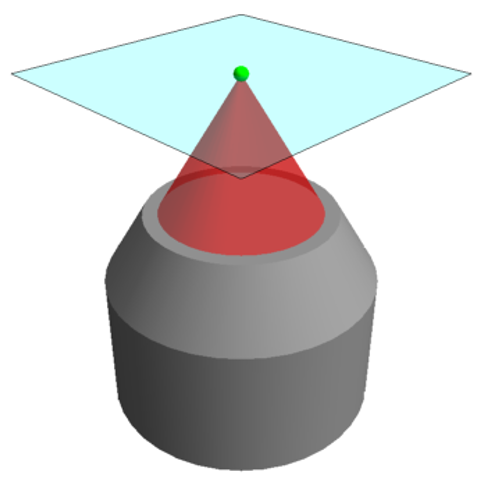
Quantum effects become apparent at small photon numbers, and it is possible to exploit correlations in photon
detections to improve imaging and spectroscopy. Our efforts in this field will be directed towards utilizing
the advantages offered by quantum interference and entanglement towards improving our studies of small objects
using optical microscopy.